
Pak Hok Pai
A martial art born in the monasteries of Tibet as the Lion's Roar, refined through centuries, and given its name — White Crane — by the great master Ng Siu Chung.
Tibetan White Crane
What is Pak Hok Pai
Pak Hok Pai means White Crane Boxing — a martial art of Tibetan origin developed by the lama monks, named in representation of the crane's movements. It is founded on three pillars:
Heaven
Jumps, kicks, long range and the Buddhist teachings.
Earth
Ground fighting, submission and earthly knowledge.
Human
Close combat, locks, chokes, throws and human knowledge.
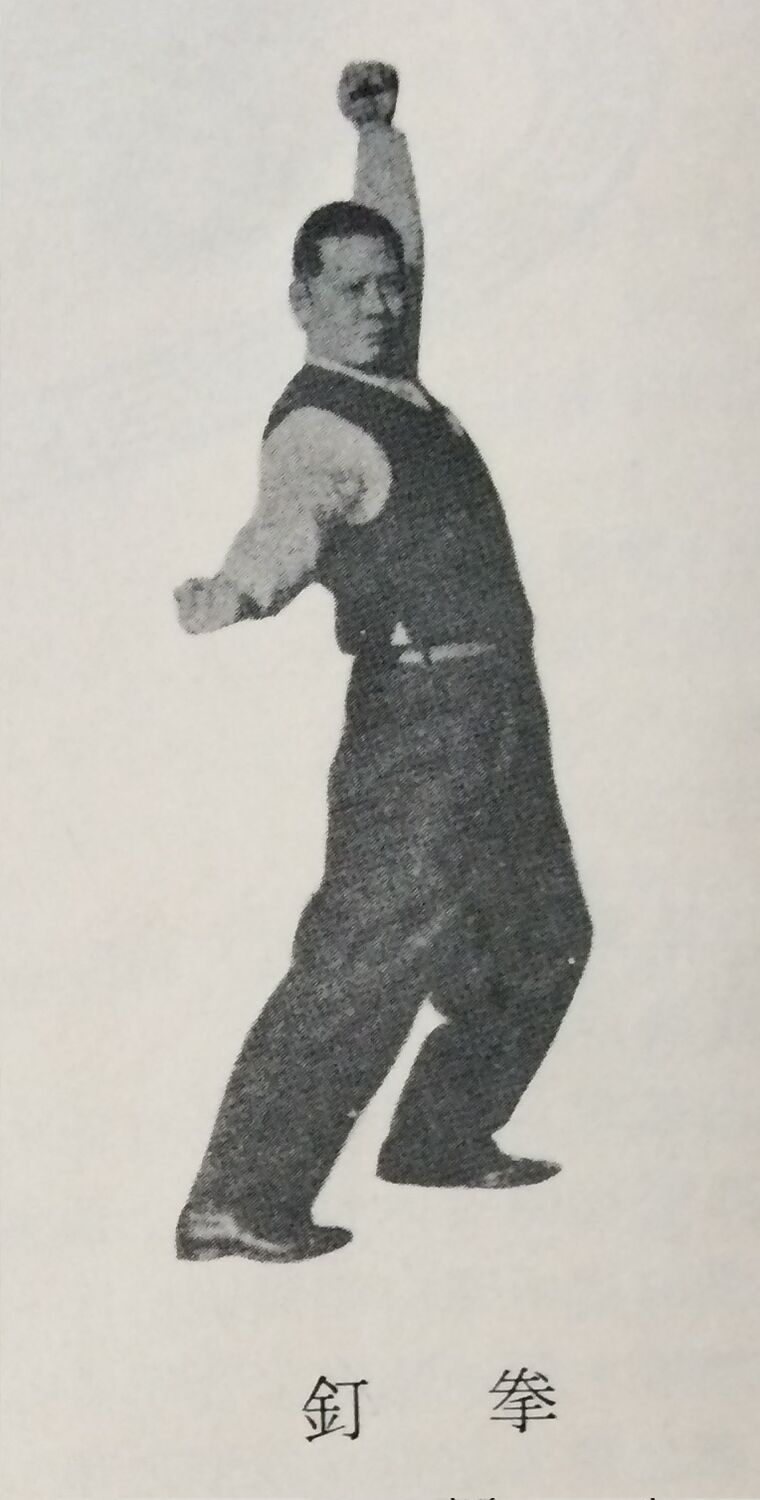
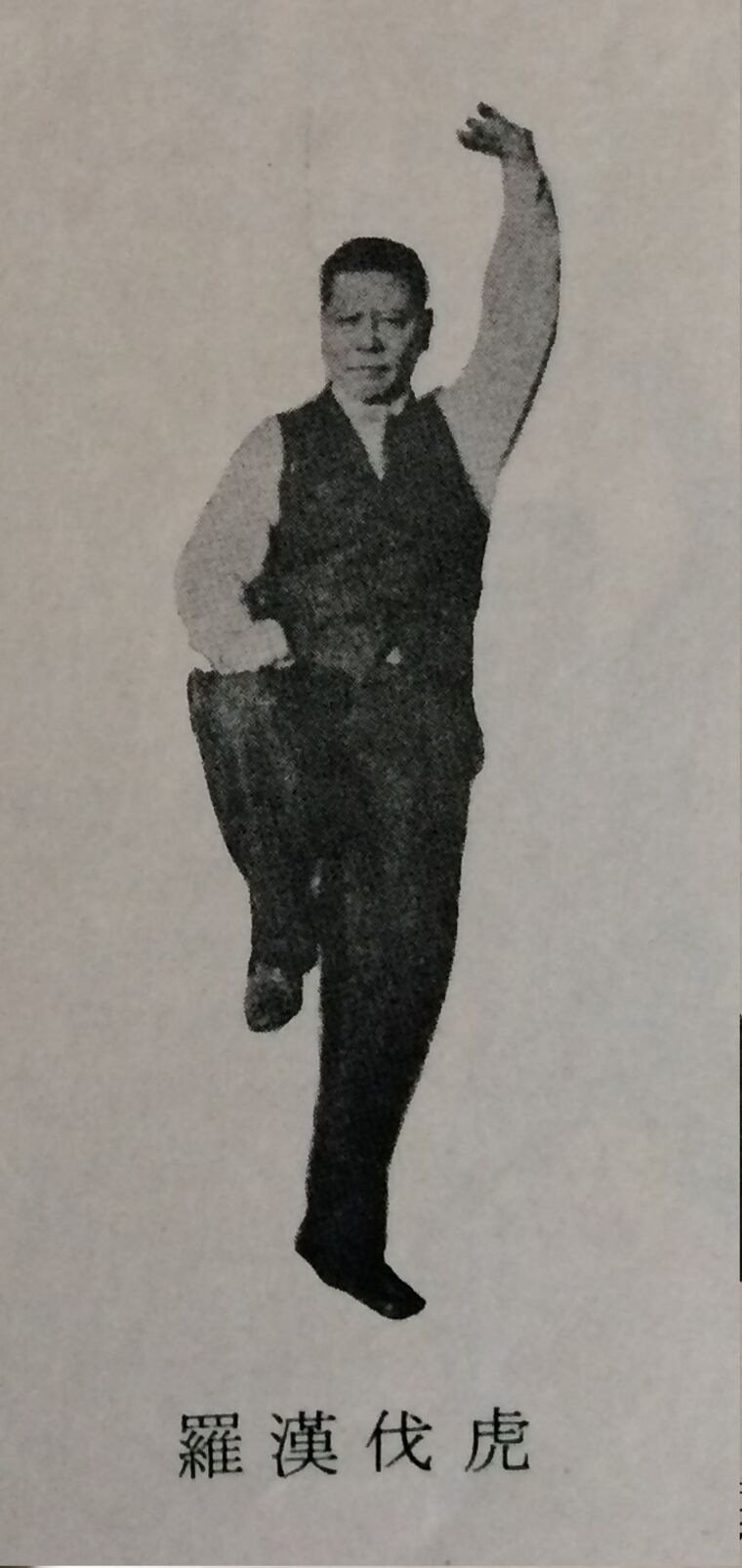
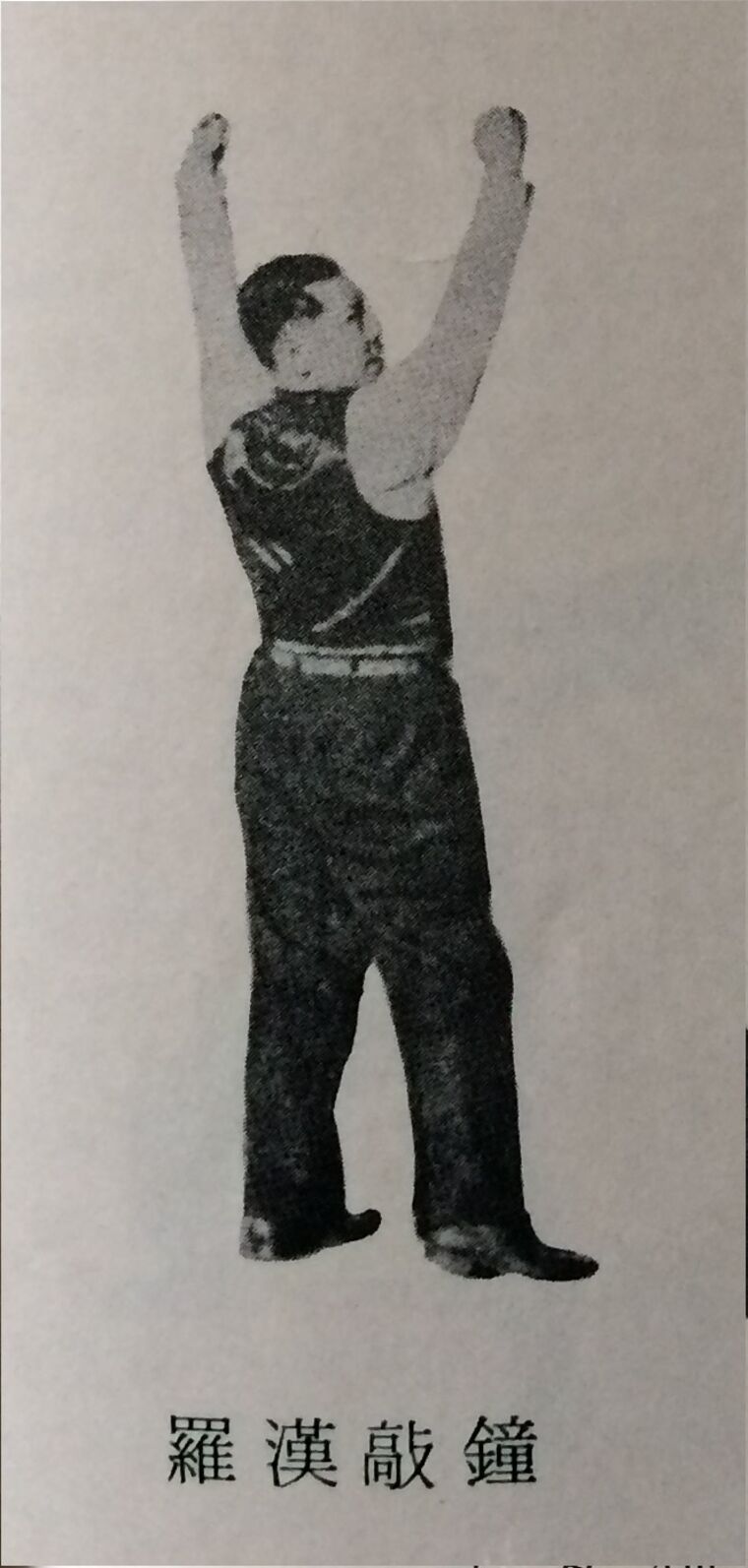
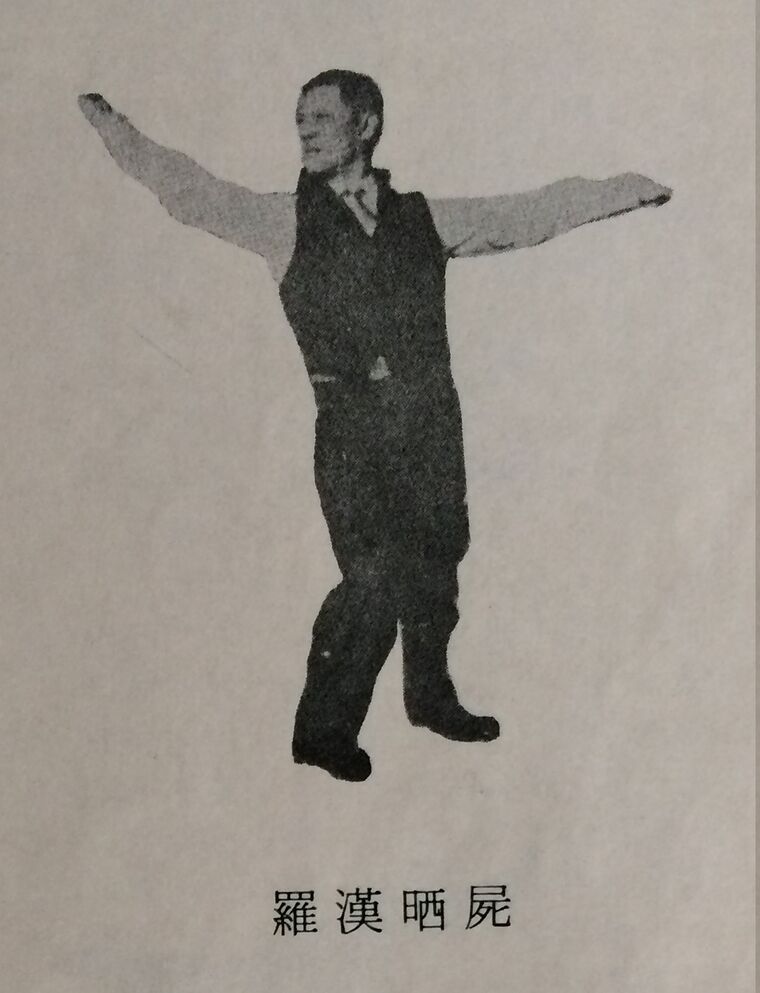
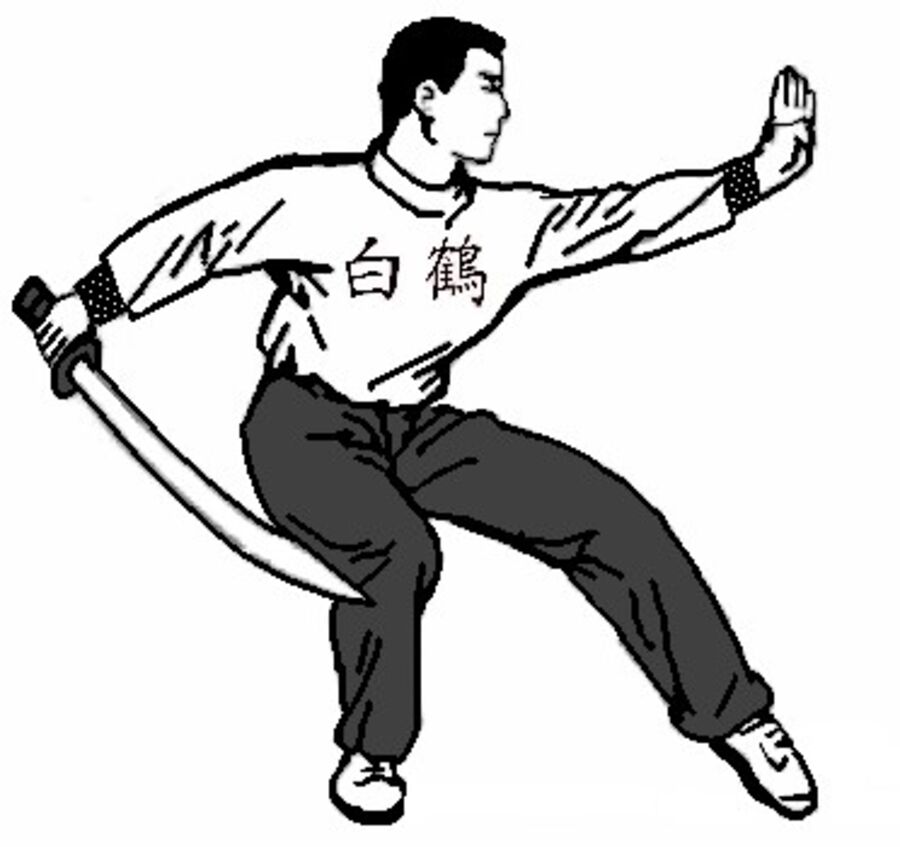
The movements of Pak Hok Pai Kung Fu alternate hardness and softness within a rhythmic pattern of deep, powerful strikes, turns, explosive kicks and violent jumps. The forms (Kuen) are powerful and fast, with flexible stances and light but firm steps. Its power is like a cannon — emphasising speed and vigour to deliver unstoppable attacks.
The upper body rotates with violent waist turns, the strength of the deltoid playing a decisive role, throwing full body weight plus the force of the hips and legs into each blow. The pre-attacks are so violent that they disconcert the enemy, breaking their stance before a devastating finishing strike.
Pensum of studies
The martial studies programme of the Pak Hok Pai style at the Lo-Han school is divided into three levels — Basic, Middle and Superior. Each level consists of five grades, and each grade comprises all the exercises and techniques the student must justify at each evaluation.
Maintenance
Kung Fu conditioning exercises: physical fitness and health.
Knowledge
Martial discipline and the application of empty-hand forms, weapons and internal strength.
Combat
Skill in self-defence against one or several opponents.
Heaven–Earth–Human
Buddhist teaching, earthly nature and interpersonal relations.
Pak Hok Pai Kung Fu is a direct and highly effective art that can be practised by children, young people and adults — even in their senior years. It is a privilege to study and learn directly from a great traditional Pak Hok Pai master such as Sifu Argimiro Núñez.
How we train
Under the direction of Rector Sifu Argimiro Núñez (Arun), our teaching of traditional Pak Hok Pai covers all the principles of physical and mental training, together with the Buddhist foundations of this discipline of Tibetan origin. Alongside traditional Pak Hok Pai, we also teach the Hap Ka (Hop Gar) and Lama Kung Fu systems, which share the same root — the original Lion's Roar system. Training is designed around two methods:
Ling Kung — Physical conditioning
- Elasticity and mobility training.
- Gymnastics (mastery of one's own body).
- Metabolic and cardio training.
- Plyometric and high-impact jump training.
- Static and isometric postures.
- Isotonic movements for the upper body, lower body and core.
- Heavy bag work.
- Training with extreme loads (weights).
Ling Cha — Physical practice
- Finger techniques.
- Fist techniques.
- Elbow techniques.
- Kicking techniques.
- Knee techniques.
- Stance techniques.
- Footwork and displacement.
- Rolling techniques.
- Defence against punches and kicks.
- Takedowns, grips and joint locks.
- Wrestling and chokes.
- Ground defence.
- Short and long weapons.
- Empty-hand and weapon forms (Kuen).
- Internal strength (Qigong).
Benefits
Traditional Pak Hok Pai Kung Fu develops incredible physical conditioning and high-level self-defence skills, while contributing to health, longevity and social wellbeing. It brings benefits at every level:
- Energetic
- Nervous system
- Neuroendocrine
- Respiratory
- Cardiovascular
- Visceral
- Muscular
- Skeletal
The Pak Hok Pai self-defence method provides the practitioner with concrete techniques to repel possible aggressions, plus the physical and psychological preparation to feel secure — always in the context of humility, never provoking a conflict that should always be avoided.
We transmit the knowledge from mind to mind, from heart to heart, from mouth to ear — the essence and philosophy of our school as a direct form of physical, mental and spiritual experience. We create mutual respect among classmates, foster friendship, and build an excellent master–student bond that feeds enthusiasm for the practice and the martial discipline.
Pak Hok Pai, the Tibetan White Crane, traces its roots to the Lion's Roar system created around 1420 by the lama Oh Tah Toh. It imitates the agile evasion and vital-point strikes of the white crane, and the powerful balance of the ape. Its lineage descends through seven generations of Tibetan lamas, the monasteries of Guangdong, and the masters Wong Lam-Hoi, Ng Siu Chung and Tang Chak Ming, until reaching Sifu Argimiro Núñez.
The path of the White Crane
- c. 1420
Origin in Tibet
Around 1420, in Qinghai on the border of Tibet, a young man of rare intelligence — Oh Tah Toh, also called Adato — entered the Lu Yim monastery, the Temple of a Thousand Golden Petals, where Vajrayana Buddhism of the Kagyu school was taught. He became a member of the Dub-Dub, the warrior monks who protected the Dalai Lamas and Panchen Lamas, and mastered horseback archery, Mongolian wrestling, the Tibetan art Nom Nye and the Hindu art Kalaripayattu. At fifteen he became a lama, studying under the monk-master Lama Kon-Kit and later under Lama Tap Lai, who taught him the art called Dim Nah — the touch of death — together with the medical and energetic procedures to heal it.
- c. 1420
The crane and the monkey
While meditating in the mountains, Oh Tah Toh witnessed a great white crane defeat an attacking ape through swift evasion, facing its enemy with beak and wings until the ape fled, blinded. The lama fell into a mystical trance, and from this vision — together with the Lotus Sutra, the symbol of the Lion of the Sakya clan and the tall Sarus crane of India — he created a new art: the Lion's Roar, Senge Ngwa in Tibetan, Si Ji Hou in Chinese. The system combined the white crane's evasion and vital-point strikes with the ape's power: three hand methods and four systems — Lo-Han, Weito, Tamo and Pak Hok — along with the Eightfold Path, breathing control, inner strength and tantric meditation.
- c. 1420–1644
Seven generations in Tibet
For seven generations the Lion's Roar remained inside the monasteries, perfected by lamas such as To Lo Kat Tam, Kai Lam Buda and Jikbolokloton (Ng Mui), who codified it to spread it across China, choosing six student-sons.
- 1865
Sing Lung and the Green Cloud monastery
Lama Sing Lung, the eleventh-generation heir of the Lion's Roar, was sent in 1865 to the Green Cloud monastery (Hing Wang) on Mount Ting Hu in Guangdong. There he taught the system — now called Lama Pai by the Chinese — to a select few, among them Chu Chi Yu, Chan Yang and Chou Heung-Yuen.
- 1883
Wong Lam-Hoi and Wong Yem-Lam
Chu Chi Yu passed the art to Wong Lam-Hoi, and Sing Lung also taught the young Wong Yem-Lam, son of the Hung Gar master Wong Ping. Wong Yem-Lam later fought more than 150 challengers undefeated and was named first of the Ten Tigers of Canton. The great Wong Fei-Hung himself studied briefly with him.
- 20th century
Ng Siu Chung names the art
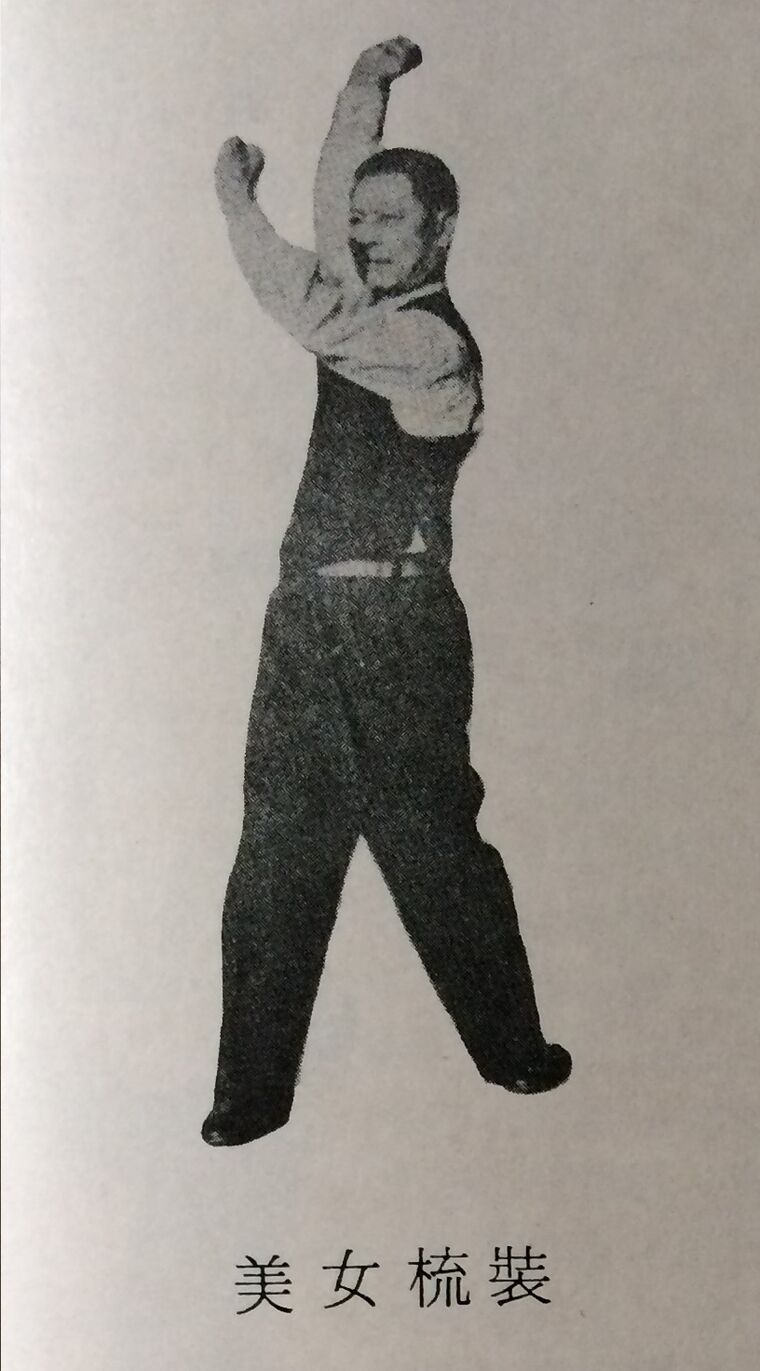
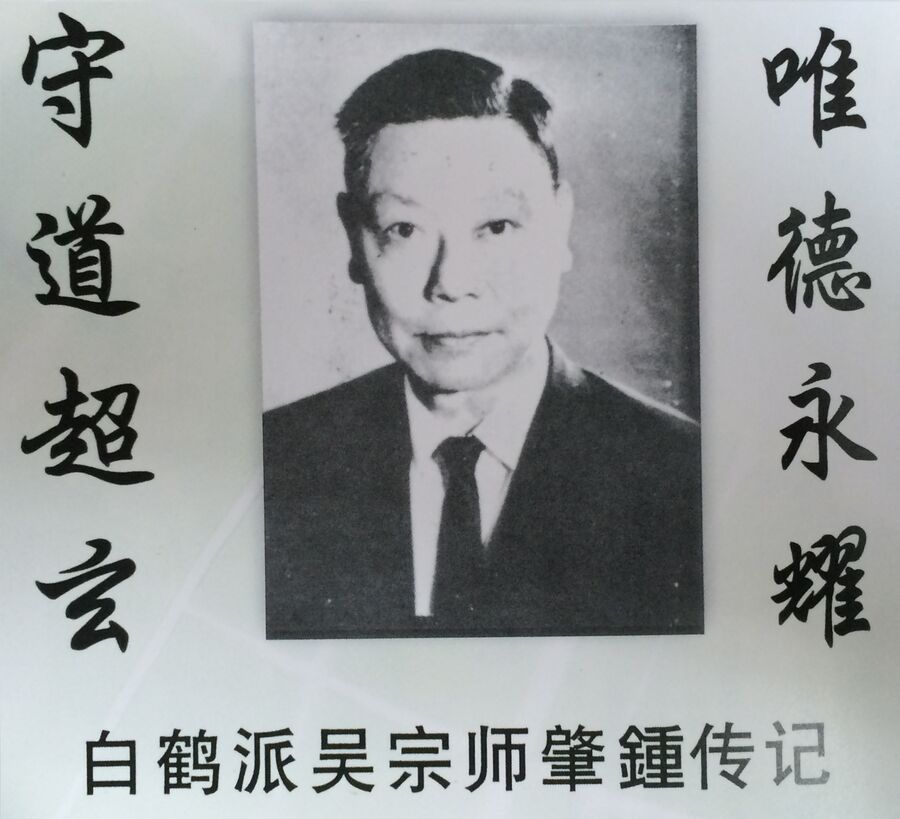
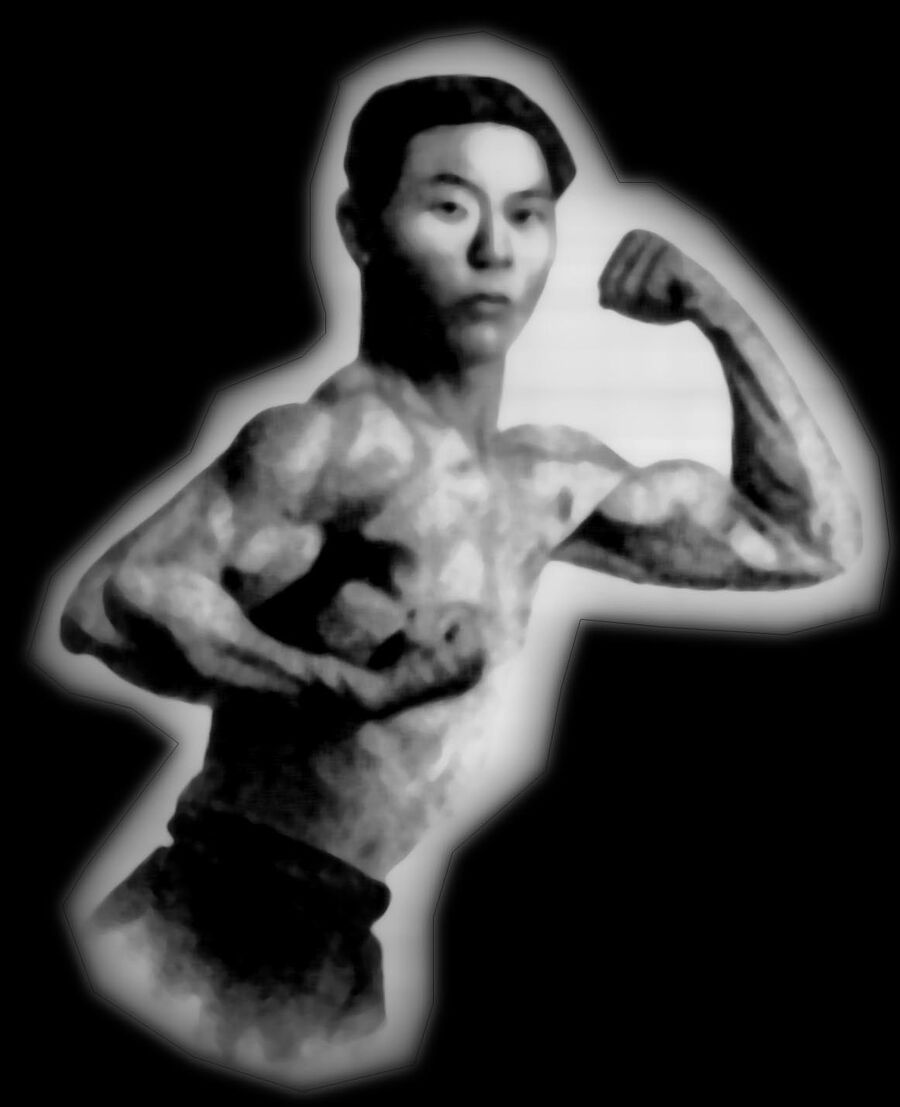
Wong Lam-Hoi's most powerful disciple, Ng Siu Chung, standardised the forms and — with his master's blessing — founded the style under its Cantonese name: Baahk Hok Pai, the White Crane. In 1954 the style gained worldwide fame when Chan Hak-Fu, a disciple of Ng Siu Chung, fought the renowned Wu-style Tai Chi master Ng Gung-Yee in a celebrated public match.
- 1967
A lineage divided
Ng Siu Chung passed away in 1967 without naming a single heir, and the style split into branches across Hong Kong, Canada, Australia and Singapore. Among those who kept the transmission pure was Tang Chak Ming, son of the founder, who taught privately and passed the complete system to Sifu Argimiro Núñez.
- Today
Sifu Argimiro Núñez (Arun)
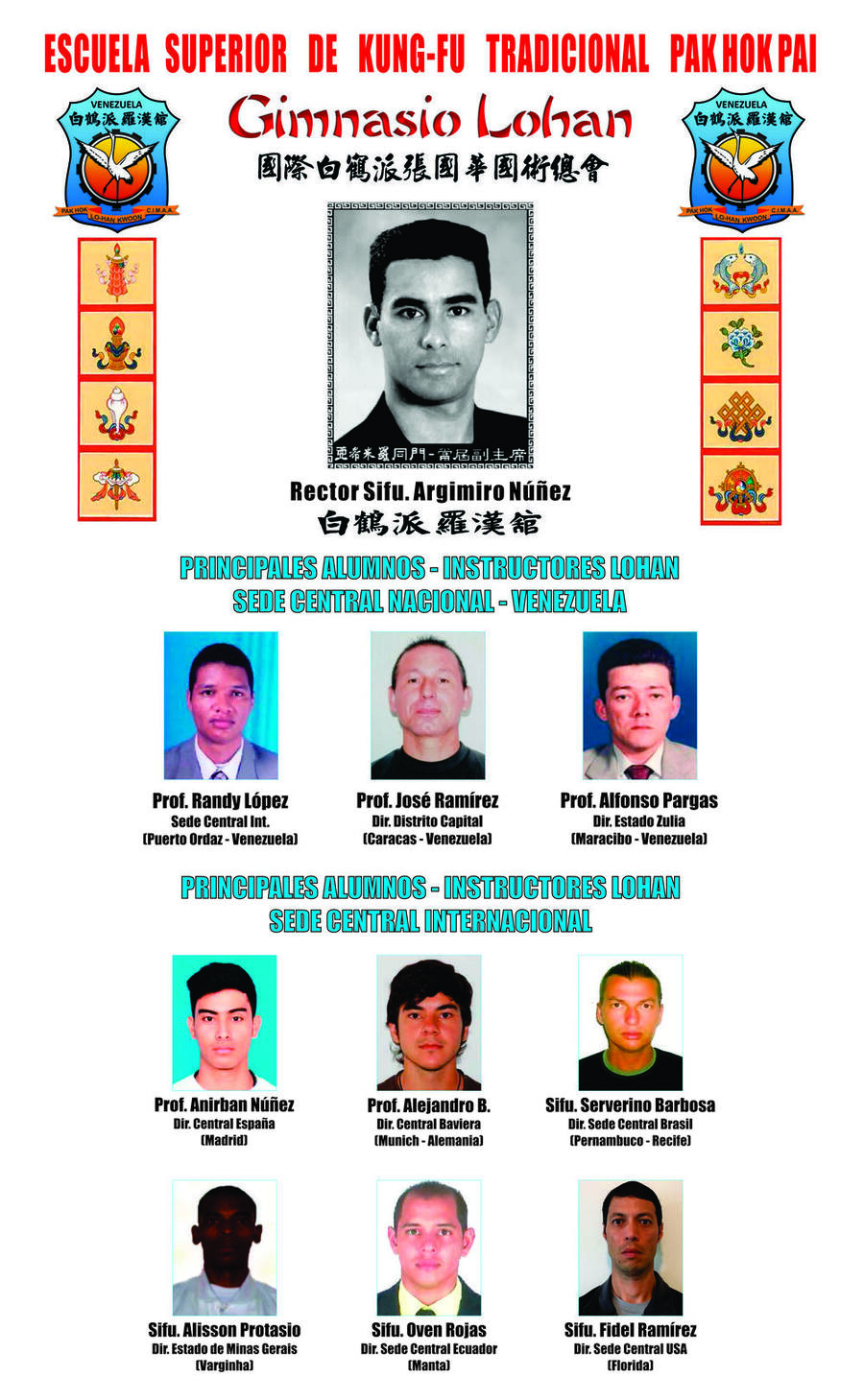
Sifu Argimiro Núñez received the full transmission from his master Tang Chak Ming and today teaches Pak Hok Pai in Venezuela and South America, representing the International Association of Sifu Cheung Kwok Wah, with its headquarters in Hong Kong.
The lineage tree
Three views of the family tree of the style — its teachers, its students and its masters.
Where we are
 National branches
- Caracas
- Maracaibo
International branches
 Brazil — Recife, Minas Gerais
 Ecuador — Manta
 Germany — Munich
 Spain — Madrid
 USA — Miami
Pak Hok Athletic Federation
After the death of Grand Master Ng Siu Chung in 1967, the Pak Hok Athletic Federation Limited was founded in 1969.
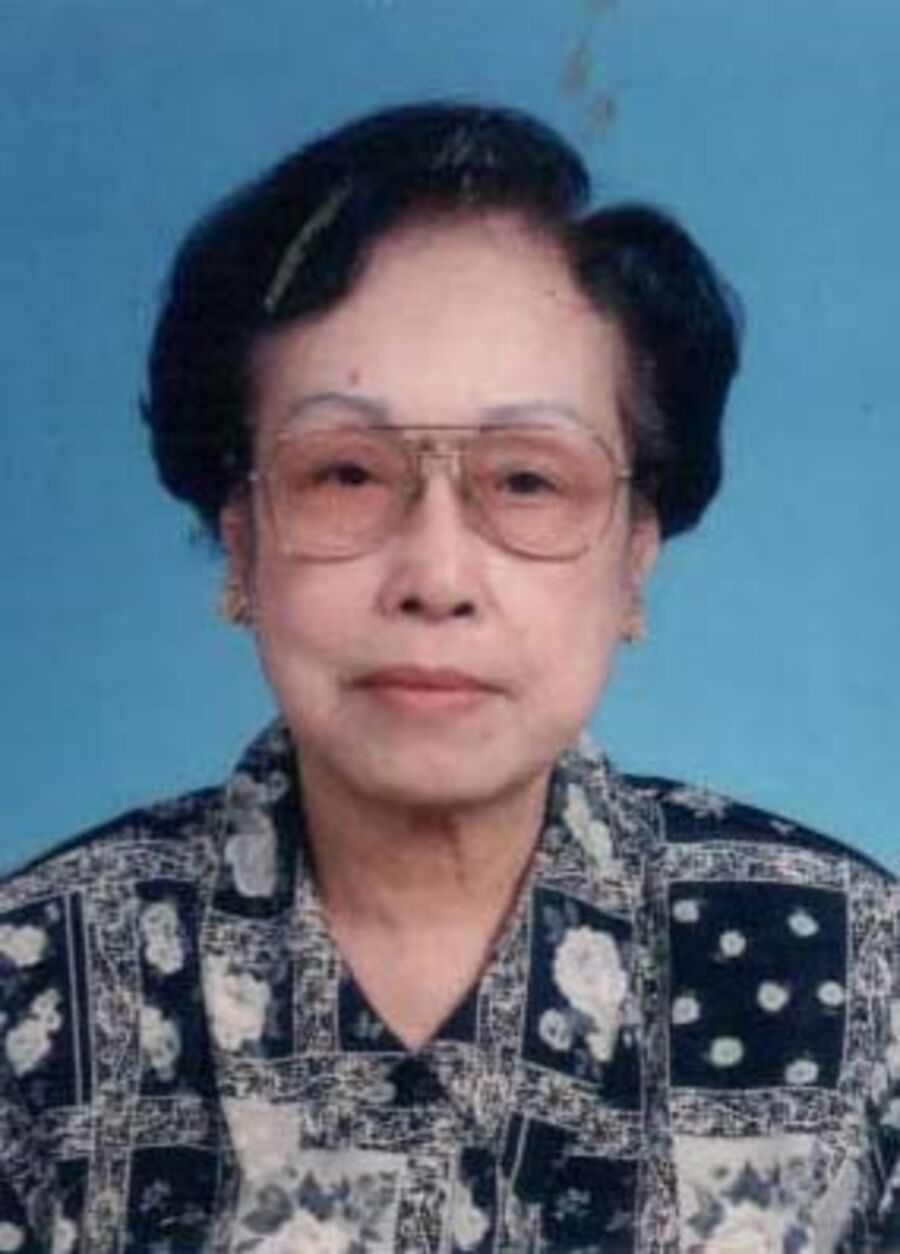
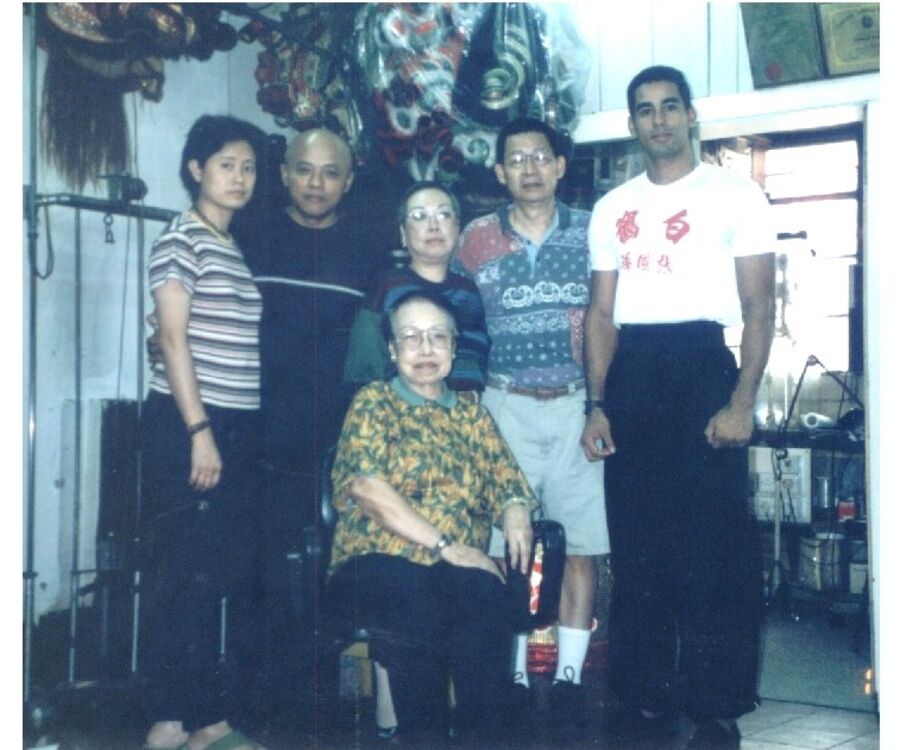
Mrs. Wing Wai Kuen, wife of Grand Master Ng Siu Chung, is the current director of the Pak Hok Athletic Federation, recognised as the principal martial arts organisation of the traditional White Crane style. Her daughter and son-in-law are the coordinators of the Federation.
Federation address: 105 Broadway Street, 15/F, Block D, Mei Foo Sun Chuen, Kowloon, Hong Kong
Kung Fu class times
Morning
Monday, Wednesday and Friday — 8:00 – 9:00 a.m.
Afternoon
Monday to Friday — 5:30 – 6:30 p.m.
Night
Monday, Wednesday and Friday — 6:30 – 7:30 p.m.
Photo gallery
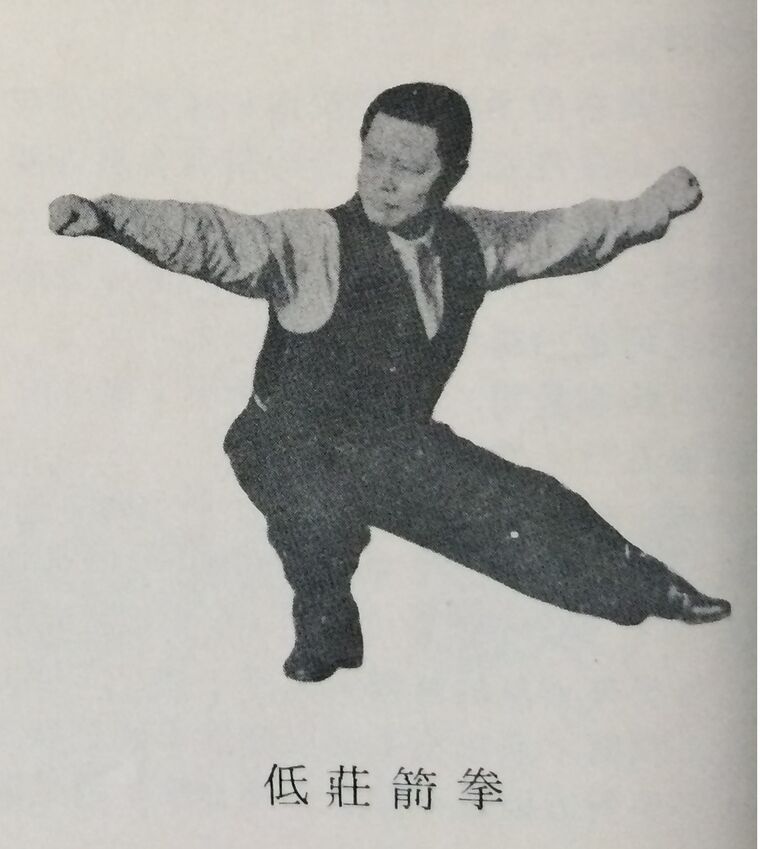
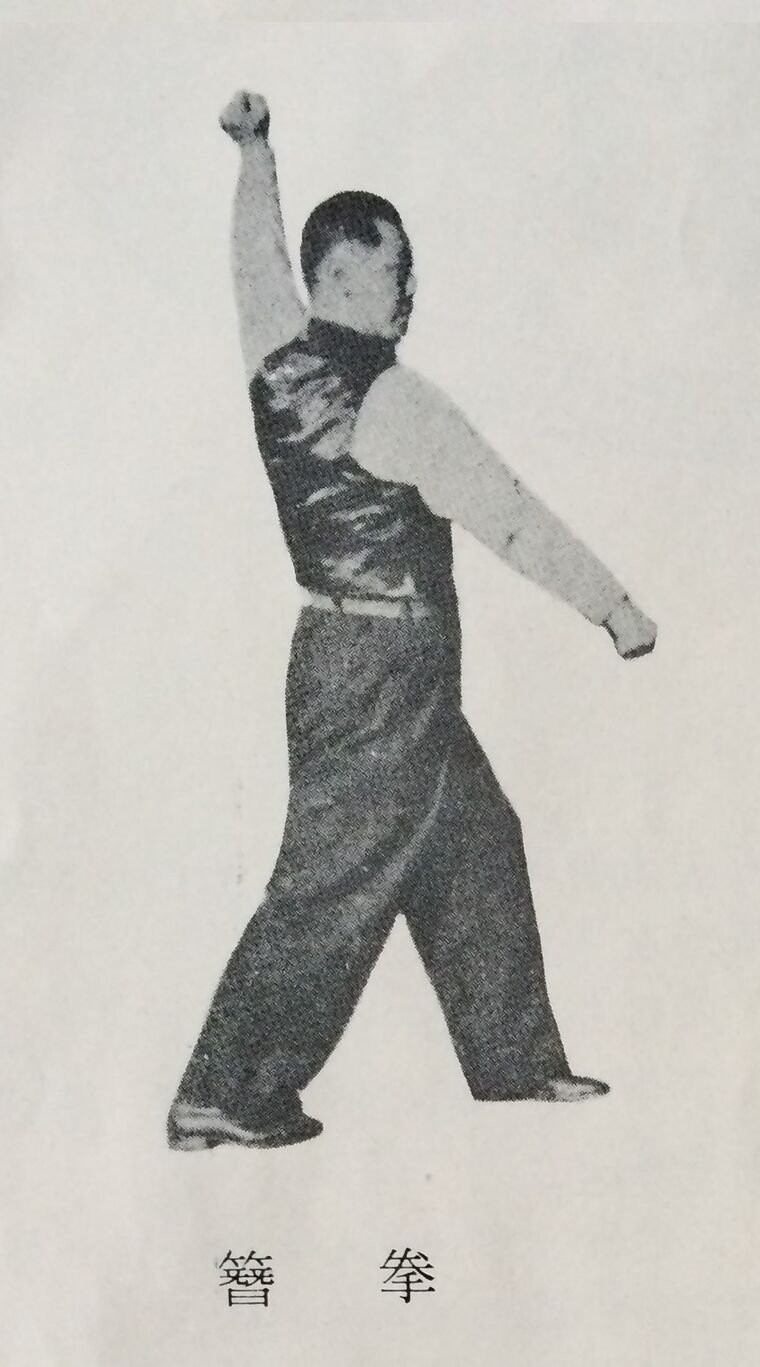
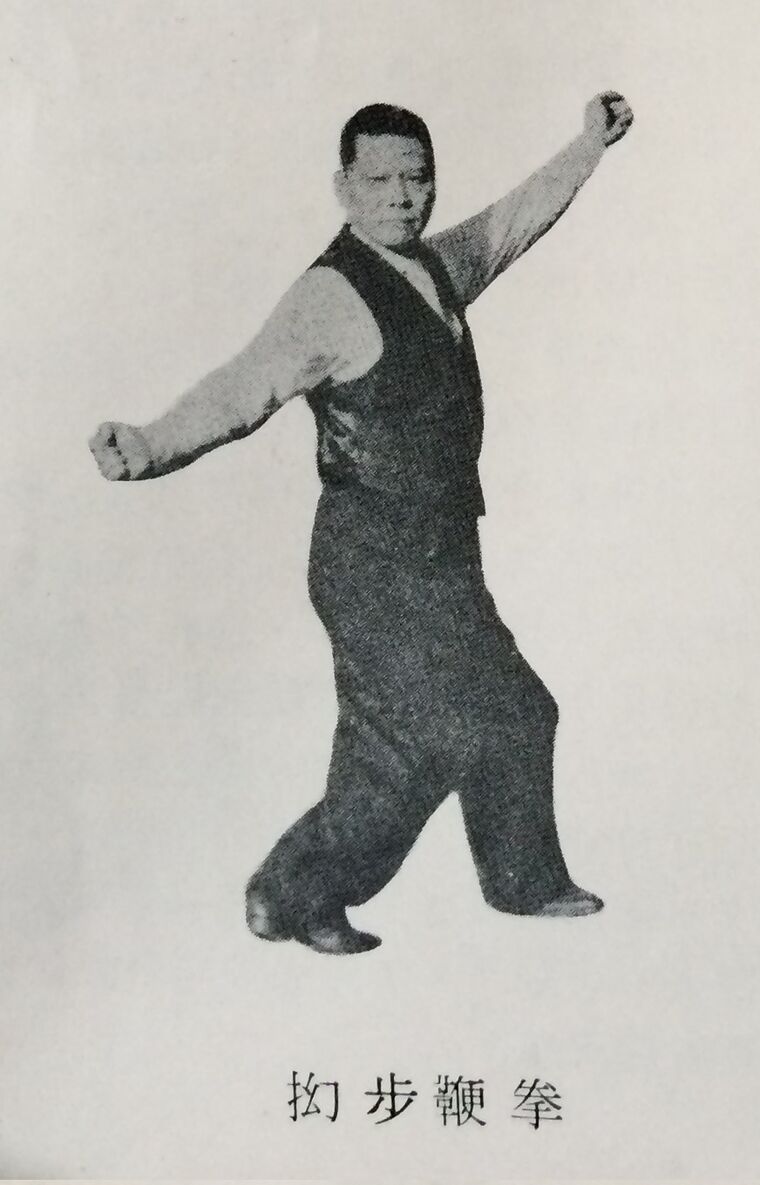
Moments from our practice, our founders and our school.
Learn the traditional art
It is a rare opportunity to learn this traditional style directly from the master, Sifu Argimiro Núñez.